By Sahel Reporters, Yola
The Director-General of the Adamawa State Debt Management Agency (ASDMA), Professor Ibrahim Danjuma, has called on public servants and professionals to deepen their understanding of the New Nigerian Tax Acts 2025 in order to dispel misconceptions and ensure effective compliance.
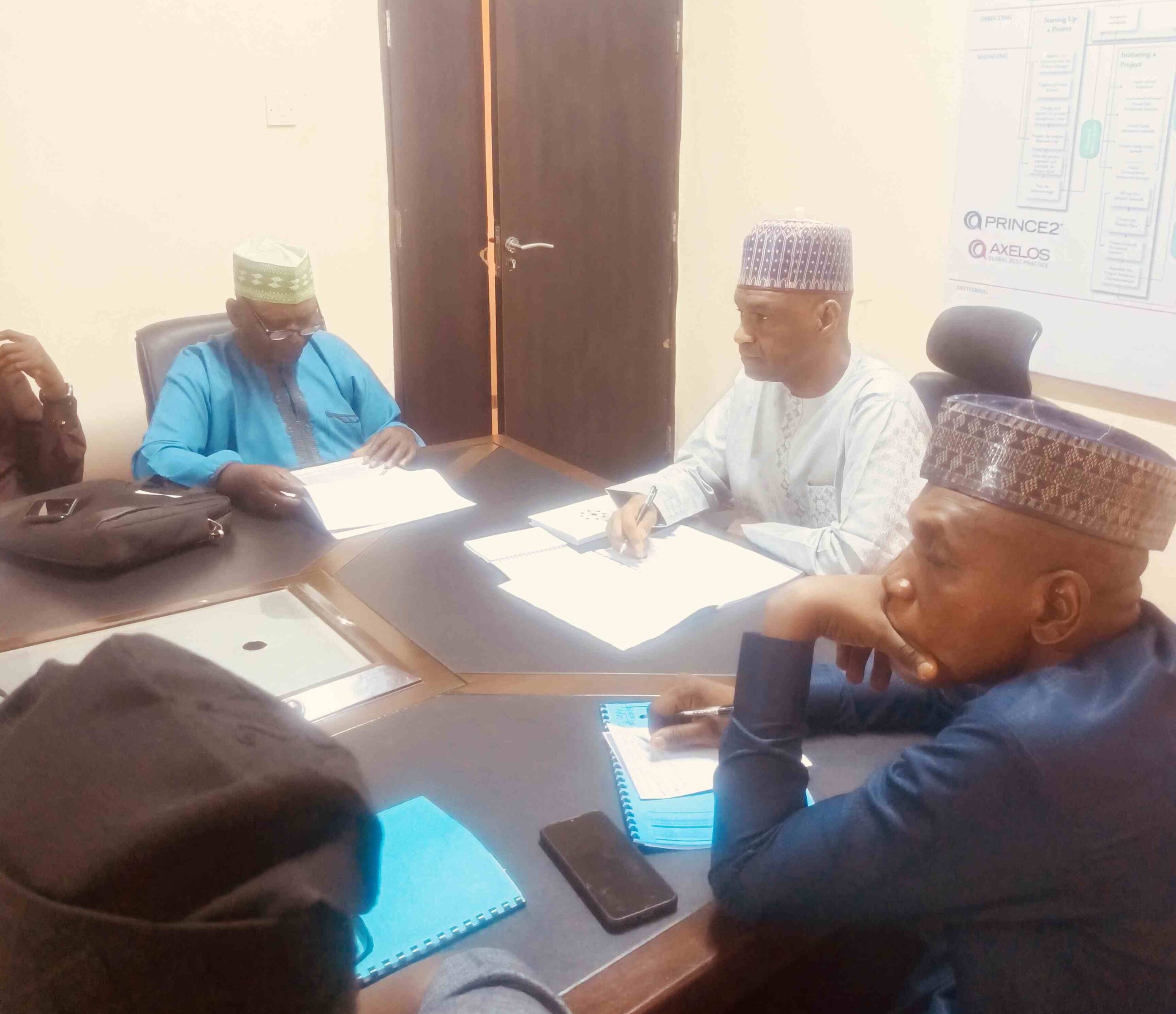
Professor Danjuma made the call in Yola on Tuesday, during a one-day capacity-building workshop organized by the Agency for its staff, themed “Understanding the New Nigerian Tax Acts 2025: Opportunities for Professional Employees, Accountants, Tax Consultants, and Small Business Owners.”
He said the training became necessary following widespread misinformation surrounding the new tax laws, particularly on social media, noting that both government workers and private individuals would be affected by the reforms in one way or another.
According to the Director-General, many Nigerians, including public servants, are involved in small and medium-scale businesses in addition to their salaried employment, making it important to understand how the new tax framework impacts income, transfers, and business operations.
Professor Danjuma explained that the workshop was part of the Agency’s ongoing commitment to human capital development and knowledge-sharing on topical national issues.
He encouraged participants to actively engage with the resource persons by asking questions and seeking clarification on grey areas of the new laws.
He further described the invited facilitators as seasoned professionals with vast experience in taxation and public finance, adding that the knowledge being shared would ordinarily cost significant amounts if obtained at external conferences and workshops.
One of the resource persons, Mr. Japhet Wakili, a Chartered Accountant and Tax Consultant, explained that the New Nigerian Tax Acts comprise four key components: the Nigerian Tax Act (NTA), the Nigeria Tax Administration Act (NTAA), the Nigeria Revenue Service (Establishment) Act (NRSA), and the Joint Revenue Board (Establishment) Act (JIRBA).
Mr. Wakili noted that personal income tax remains the most direct aspect affecting people and workers through the Pay-As-You-Earn (PAYE) system.
He clarified issues relating to taxable income, exemptions, and electronic transfers, stressing that under the new law, charges apply to senders of transfers, not recipients.
He cautioned that while lawful tax planning is permissible, tax evasion remains a criminal offence under Nigerian law.
The workshop featured interactive discussions aimed at equipping staff of the Agency with practical knowledge to navigate the new tax regime effectively.
Sahel Reporters News